Install Aluminium Sliding Doors for Elegant Design
How to Maintain and Care for Your Sliding Doors: Tips and Tricks
Preserving sliding doors is important for both performance and appearance. Ongoing attention can prevent common issues and extend their lifespan. Easy practices like washing tracks and greasing rollers can produce noticeable results. However, many homeowners neglect these valuable practices. Understanding the best techniques and recognizing when to call an expert can guarantee sliding doors work efficiently. Review the critical techniques to optimize the functionality and aesthetics of these critical entryways.
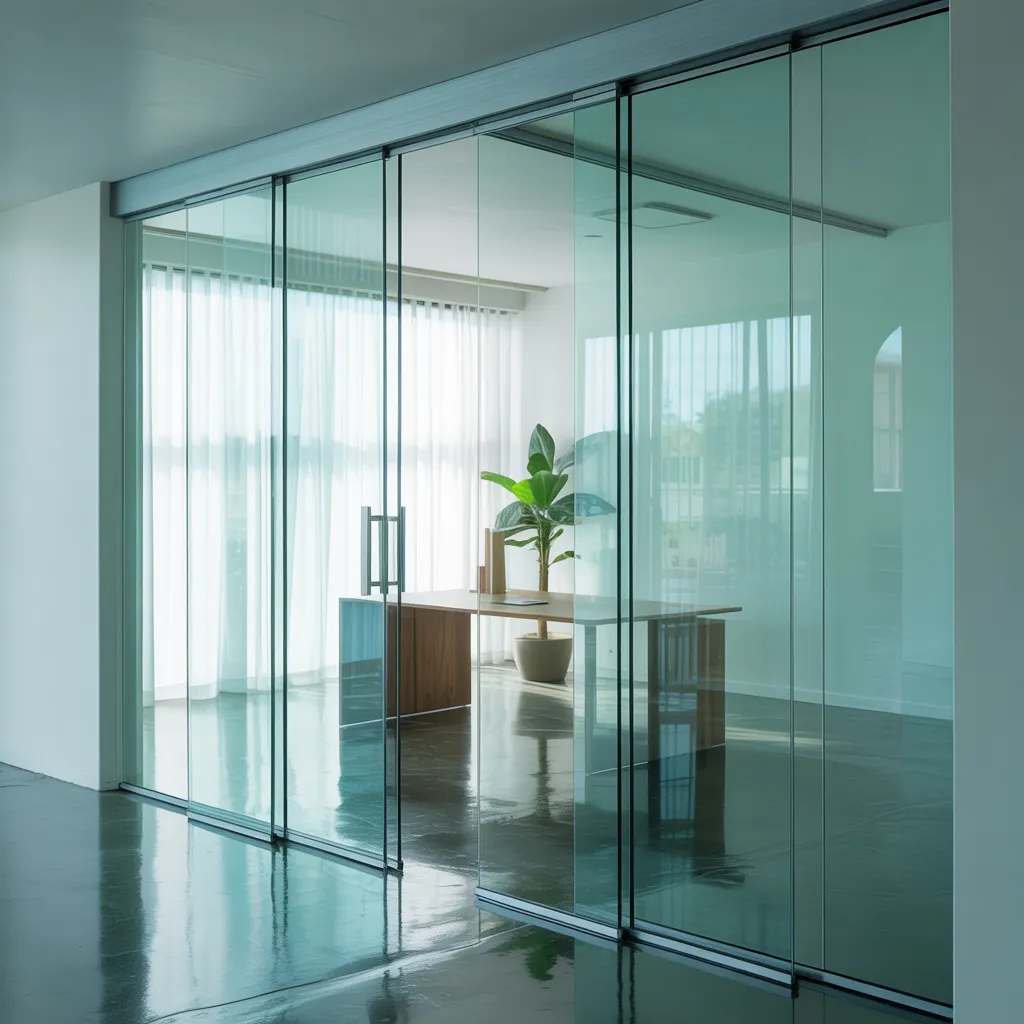
Why It Matters to Maintain Your Sliding Doors
Caring for sliding doors is important for ensuring their durability and performance. Regular maintenance keeps minor issues from turning into major problems, which can be financially draining and tedious to resolve. Proper care enhances the doors' functionality, guaranteeing smooth operation and avoiding sticking or misalignment.
Ignoring regular upkeep may cause gradual degradation, impacting both the appearance and structural integrity of the doors. Dirt, dust, and foreign particles can collect in the tracks, hindering movement and causing unnecessary strain on the hardware. Moreover, scheduled inspections can uncover developing concerns, such as deteriorating seals or rusting components, enabling prompt repairs to be made.
At the end of the day, caring for sliding doors not only upholds their aesthetic appeal but also promotes energy efficiency by securing an adequate seal against outdoor conditions. By prioritizing care, homeowners can enhance the overall value and functionality of their sliding doors, ensuring they remain a reliable feature in their living spaces.
Essential Tools for Sliding Door Maintenance
Some important tools can make maintaining sliding doors much simpler. To begin with, a soft cloth or microfiber towel is essential for dusting and cleaning surfaces without causing scratches to the glass. Next, a vacuum cleaner with a hose attachment can effectively remove debris from the track and surrounding areas. A small brush, such as an old toothbrush, helps dislodge stubborn dirt or grime that may accumulate in tight spots.
Moreover, a spirit level confirms that the door is appropriately positioned, avoiding functional problems. A lubrication product uniquely crafted for sliding doors is equally essential for ensuring effortless operation. Finally, a screwdriver kit is often useful for minor tune-ups or adjustments. By maintaining these tools nearby, property owners can maintain their sliding doors efficiently, improving both performance and durability.
Step-by-Step Cleaning Techniques for Sliding Doors
Cleaning sliding doors requires particular materials and an organized method to guarantee ideal results. The following content covers the essential cleaning materials, a methodical approach to thorough cleaning, and care recommendations to prolong the durability of the doors. Applying these methods will preserve both performance and aesthetics.
Important Cleaning Supplies You Need
An effective cleaning routine for sliding doors requires a few essential supplies that make the process efficient and thorough. To begin, a soft microfiber cloth is essential for preventing scratches while efficiently collecting dust and debris. A soft cleanser or a combination of vinegar and water acts as an effective yet safe solution for cleaning. Additionally, a small vacuum or a handheld brush helps remove debris from the tracks, preventing buildup. When dealing with stubborn stains, a non-abrasive sponge is a reliable option. As a final touch, a narrow and flexible tool, such as a worn toothbrush, is best suited for getting into tight spaces and corners. Once these supplies are gathered, keeping sliding doors looking great and functioning properly becomes an easy and manageable endeavor.
Step-by-Step Cleaning Process
Having assembled the appropriate cleaning materials, the following step requires a structured approach to cleaning sliding doors. First, one should start by eliminating loose dirt and debris from the tracks using a soft brush or vacuum. Next, a mild detergent mixed with warm water can be spread across the glass and frame with a soft microfiber cloth, taking care that all surfaces are properly wiped. For stubborn stains, a soft glass cleaning solution may be employed. After cleaning, one must rinse all surfaces with fresh water to avoid residue. To complete the process, drying the glass with a lint-free cloth will avoid streaking. Regularly repeating this process will help maintain the clarity and functionality of the sliding door panels.
Maintenance Advice for Lasting Durability
Preserving sliding doors requires continuous attention to guarantee their longevity and efficient performance. Consistent cleaning is vital; grime, dirt, and buildup can build up in the tracks, contributing to mechanical difficulties. A straightforward routine involves cleaning out the tracks and using a damp cloth to clean them. Moreover, lubricating the rollers and tracks with silicone spray can reduce friction and promote smoother movement. Inspecting the door seals for wear or damage is important, as damaged seals can lead to heat loss. Besides, regularly inspecting the door alignment facilitates the early spotting of misalignments, avoiding larger complications. Lastly, dealing with chips and scratches immediately can maintain the door's exterior and enhance its lifespan. These practices contribute to the lasting performance of sliding doors.
Inspecting and Fixing Sliding Door Issues
Examining and repairing sliding door issues is essential for ensuring functionality and security. Common problems include misalignment, sticking tracks, and worn-out rollers, which can generally be addressed with fundamental equipment. However, recognizing when a problem requires professional intervention is just as critical to guarantee long-term effectiveness.
Frequent Sliding Door Issues
Sliding doors can encounter numerous challenges that impact their operation, making it crucial to identify and resolve these concerns in a timely manner. Typical concerns include misalignment, which often occurs due to wear and tear on the tracks or rollers. This type of misalignment can lead to the door jamming or not shutting as it should. Another frequent problem is debris accumulation in the track, that can impede the door's fluid motion. Additionally, weather stripping may deteriorate over time, causing air leaks and decreased energy performance. Oxidation or corrosion on metal parts can similarly impact functionality. Detecting these issues at an early stage enables prompt action, keeping the sliding door operating smoothly and safely, ultimately enhancing the overall aesthetic and usability of the space.
Instruments for Rapid Repairs
Understanding typical sliding door problems is the initial step toward effective repairs. Important tools can significantly streamline the repair procedure. A screwdriver set is essential for tightening or replacing screws, while a utility knife can help clean and replace worn weather stripping. A level ensures that the door is accurately aligned, eliminating further issues. For particularly difficult problems, a hammer and chisel may be required to reposition or clear stuck tracks. Lubricants such as silicone spray are also important for maintaining efficient operation. Keeping a standard toolkit on hand allows homeowners to resolve minor issues efficiently, improving the longevity and functionality of sliding doors. Regular inspections, combined with these tools, can prevent more extensive repairs down the line.
When to Hire Professionals
A great number of homeowners encounter problems with their sliding doors that can be challenging to fix independently. When issues such as ongoing misalignment, struggles with opening or closing, or strange sounds occur, it may be advisable to seek professional assistance. Professionals are equipped with the necessary tools and knowledge to diagnose complex issues that may not be visible to the untrained eye, such as frame damage or deteriorated rollers. Moreover, if the sliding door has experienced considerable damage or the tracks are heavily corroded, professional involvement is necessary to ensure safety and functionality. In the end, acknowledging the extent of DIY repairs can save homeowners time and money, encouraging enduring satisfaction with their sliding doors.
How Lubrication Promotes Smooth Sliding
Keeping sliding doors functioning smoothly depends on proper lubrication. Proper lubrication minimizes friction between see the full story the door and its track, ensuring effortless movement. With continued use, dirt and debris may build up, resulting in stiffness and possible damage. Regularly applying a suitable lubricant—such as silicone spray or a light oil—helps maintain functionality.
It is important to give the tracks a thorough cleaning before lubrication to remove any obstructions. A clean surface allows the lubricant to work more effectively, enhancing the door's glide. Moreover, attention should be given to the rollers and copyrights as these components also require lubrication to function efficiently.
Applying excessive lubricant can draw in additional dirt, so using it in controlled amounts is important. To achieve optimal outcomes, a regular inspection and reapplication every couple of months can prolong the life of sliding doors, keeping them both functional and visually appealing in any home.
Seasonal Maintenance Tips for Peak Sliding Door Performance
Seasonal changes can greatly affect the performance of sliding doors, making routine maintenance essential. In the winter months, homeowners should ensure that winter precipitation do not accumulate around the track of the door, as this can obstruct movement. Consistently removing the tracks of dust and debris is critical, particularly in the spring when pollen and dust are common.
In the summer months, it is essential to look for any warping caused by elevated temperatures. Keeping a stable environment can help prevent this problem. In addition, moisture levels may impact the door's alignment; using a dehumidifier may help.
In autumn, fallen leaves can interfere with the track, demanding routine cleaning. Checking seals and weather stripping during seasonal transitions will help avoid drafts and moisture seepage. By observing these seasonal care practices, homeowners can ensure their sliding doors stay functional and visually appealing all year long.
When It's Time to Call a Professional for Repairs
Understanding the warning signs that a sliding door needs specialist intervention is essential for maintaining its performance and lifespan. Residents should watch carefully for problems including difficulty in sliding, misalignment, or excessive noise. Should the door fail to close completely or display gaps that undermine security or energy efficiency, seeking professional assistance becomes necessary.
In addition, apparent damage affecting the rollers, tracks, or frame might signal more serious underlying issues that require professional repair. A door that often derails or detaches from its track creates a safety concern, necessitating immediate intervention.
Furthermore, ongoing problems that persist even after regular upkeep, such as oiling or cleaning procedures, point to the importance of a thorough professional diagnosis. Dismissing these indicators can lead to extensive damage and costly restoration work. By resolving concerns without delay through professional support, homeowners can extend the life of their sliding doors and guarantee they operate smoothly and safely.

Common Questions and Answers
How Often Should I Clean My Sliding Doors?
Experts recommend cleaning sliding doors a minimum of once per quarter. Nevertheless, maintenance intervals may need to be adjusted according to surrounding environmental elements, like exposure to dust or pollen, requiring more consistent care to maintain top-level function and visual appeal.
Can I Use Vinegar for Cleaning Sliding Doors?
Vinegar is indeed an effective option for cleaning sliding doors. The natural acidity in vinegar is highly effective at eliminating grime and stains. However, it's advisable to dilute vinegar with water to avoid potential damage to certain door materials.
What Kind of Lubricant Works Best for Sliding Doors?
Silicone-based lubricants are ideal for sliding doors, as they decrease friction without drawing in dirt. Graphite powder is another option, providing a dry lubricant that prevents rust and corrosion, ensuring smooth operation over time.
Do Sliding Doors Offer Energy Efficiency?
Sliding doors can be energy-saving if properly insulated and fitted with double or triple-pane glazing. The design of sliding doors reduces airflow, reducing energy loss, but performance greatly depends on the installation quality and the materials used.
Is It Possible to Install Sliding Doors on My Own?
Yes, it is possible to install sliding doors themselves, provided they have the appropriate expertise and equipment. That said, thorough measurement, accurate leveling, and strict adherence to manufacturer instructions are necessary for securing a flawless installation and superior functionality.